
Mastering Communication: The Key to Converting Leads
Elevate your real estate success by refining your communication skills—both visual and vocal.

Effective communication is the backbone of success in real estate. Whether you are a seasoned agent, an entrepreneur, or a newcomer to the industry, mastering communication is essential for converting leads into loyal clients.
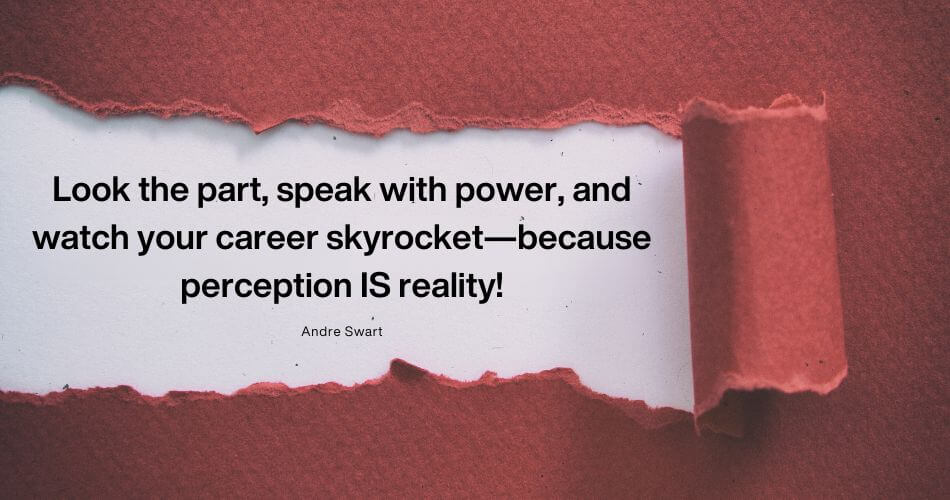
Your ability to convey confidence, professionalism, and expertise determines how potential clients perceive you.
There are two primary areas of communication: visual image and vocal image. While many focus on their appearance—dressing well, maintaining good posture, and exuding confidence—few pay attention to how they sound.
Yet, your voice plays a crucial role in shaping how people judge your credibility and competence. If you fail to communicate effectively, even the best business strategies will fall flat.
The Two Sides of Communication in Real Estate

1. The Power of Your Visual Image
Your visual image is the first thing people notice about you. Before you even say a word, potential clients and colleagues are already forming opinions based on how you present yourself.
Dress for Success
Your attire should align with your industry and clientele. Dressing professionally signals confidence and credibility. While luxury real estate agents might opt for tailored suits, a more casual yet polished look may work better in certain markets. The key is consistency—your style should reflect your brand.
Body Language Speaks Louder Than Words
Your posture, gestures, and facial expressions communicate volumes. Stand tall, maintain eye contact, and use open body language to project confidence. A firm handshake and a genuine smile can instantly build trust and rapport with clients.
The Assumptions People Make
People make quick judgments based on visual cues. If you look professional and carry yourself with confidence, they will assume you are knowledgeable and capable. On the other hand, poor posture, sloppy attire, or a nervous demeanor can signal uncertainty—even if you are an expert in your field.
2. Your Vocal Image: How You Sound Shapes Perception
Your vocal image is just as important as your visual presence. The moment you start speaking, people subconsciously evaluate your personality, expertise, and confidence.
Your Voice is Not Fixed—You Can Improve It
Many people assume they are stuck with the way they sound, but your voice is simply a set of behaviors—and behaviors can be changed. By practicing tone, pace, and clarity, you can develop a voice that conveys authority and warmth.
The Way You Speak Shapes How Others See You
Think about two different speaking styles:
- A person who speaks in a monotone voice with no variation sounds dull and uninspiring.
- A person who speaks with energy, enthusiasm, and variation in tone sounds engaging and persuasive.
Your voice should be like a musical instrument—use the full range rather than sticking to a single key.
Confidence vs. Insecurity in Your Voice
If you sound unsure or hesitant, your audience will perceive you as inexperienced. On the other hand, a controlled, clear, and dynamic voice commands attention. If you feel like you’re “acting” when changing your voice, remind yourself—it’s not fake; it’s just unfamiliar.
Five Powerful Lessons in Communication
1. You Are Not Stuck With the Way You Sound
Your voice is a learned behavior. If you are not happy with how you sound, you can change it. Just as athletes train their bodies, professionals can train their voices to sound more confident, engaging, and persuasive.
2. Your Voice Reflects Your Personality
Your voice communicates more than words—it reveals your personality. A flat, lifeless voice can make you seem indifferent, while a warm, enthusiastic tone can make you appear approachable and passionate. The goal is to use the full range of your voice, just like playing an instrument.
3. The More You Explore Your Voice, the More Natural It Becomes
Many people hesitate to experiment with their vocal range, fearing they will sound “fake.” The truth is, change feels unfamiliar at first, but with practice, it becomes second nature. Think of your voice as a muscle—the more you work it, the stronger and more dynamic it becomes.
4. Confidence in Communication Is Key
Imagine you are technically a 10 out of 10 in real estate knowledge, but your communication skills are a 3 out of 10. How will people perceive you? Most likely, as a 3 out of 10. Your expertise is only as valuable as your ability to communicate it effectively.
5. You Are Only as Good as You Can Communicate
No matter how skilled or experienced you are, if you cannot communicate your value effectively, your success will be limited. Communication bridges the gap between knowledge and influence. The more clearly and persuasively you can express yourself, the more impact you will have.
Conclusion
In real estate, communication is everything. From your visual presentation to the way you sound, every interaction shapes how clients perceive you. By refining both your visual image and vocal image, you can dramatically increase your ability to convert leads and build lasting relationships.
Your skills, knowledge, and strategies are only as powerful as your ability to communicate them effectively. So, invest in your voice, embrace confidence, and watch your real estate career soar.
About the Author:
Andre Swart is a seasoned real estate expert and motivational speaker based in Cape Town’s Northern Suburbs. With over 20 years of experience in the industry, Andre is dedicated to helping agents and newcomers thrive by sharing insights rooted in integrity, personal growth, and faith-based principles.
Through his blog, Andre Swart Inspires, he empowers readers to build successful, purpose-driven careers while staying true to their values.