Unseen Mental Habits: Outsmarting 90% of People
Unlocking quiet confidence through subtle mindset shifts.

Redefining "Smart"
Most people equate intelligence with an accumulation of facts, extensive education, or a high IQ. We’re often led to believe that “being smart” means knowing more than others.
However, true wisdom and emotional intelligence aren’t simply about what you know—it’s about how you think, how you perceive the world, and how you choose to engage with aspects that others frequently overlook.
In fact, the sharpest minds in any room rarely feel the need to dominate it. They’ve cultivated unseen mental habits—ways of thinking that operate silently beneath the surface, giving rise to quiet confidence and clarity of purpose.
It’s not about winning arguments or showcasing superior knowledge; it’s about mastering mindset shifts that the majority of people don’t even recognize, let alone nurture.
This article will reveal five powerful mental habits that can subtly, yet profoundly, elevate you into the top 10% of thinkers. By applying them, you’ll learn how to think clearly, act deliberately, and outsmart 90% of people—without ever needing to shout or show off.
The Five Mindset Shifts for Quiet Power
1. You Don't Argue to Win. You Ask to Understand.

The conventional approach to disagreement is often combative: people debate to be right, defending their own positions and attacking opposing viewpoints with a strong desire to win.
Yet, emotionally intelligent individuals recognize that truth isn’t a prize to be won in a verbal battle; it’s something to be uncovered.
Instead of asserting their own points, they ask probing questions like, “What makes you think that?” or “Have you considered this?”.
They aim to create an environment where the other person feels secure, not challenged, which fosters a space where real clarity can emerge.
This mirrors the Socratic Paradox, where Socrates, a profoundly influential thinker, was known for his rigorous questioning to uncover ignorance rather than for asserting answers.
His genius lay in demonstrating how truth emerges from inquiry and shared discovery, not from direct confrontation.
This approach reframes intellectual engagement from a contest to a collaborative pursuit of understanding, highlighting how vulnerability can actually be a source of strength.
2. You Think in Terms of Systems, Not Just Situations.
A common pitfall for the majority is getting trapped in isolated moments of perceived failure: a failed test, a rejection, or a bad workout. These singular events are often blown out of proportion, leading to spirals of despair, quitting, or panic.
However, the most astute individuals possess the ability to zoom out and see beyond these isolated incidents. They don’t view failures as defeats but rather as valuable feedback, patterns, or data points within a larger system.
Their questions shift from “Why did I fail?” to “What system created this result? What can I adjust and try again?”. This systemic perspective transforms what appears to be defeat into informational insights, making growth an inevitable outcome.
This mindset aligns with Heraclitus’s philosophy of “panta rhei” (everything flows) and the fundamental impermanence of all things.
This “Heraclitean Lens” encourages a resilient, systems-oriented mindset, recognizing life as a continuous cycle of feedback and adaptation rather than a series of disconnected triumphs and failures.
3. You Focus on What You Can Control.
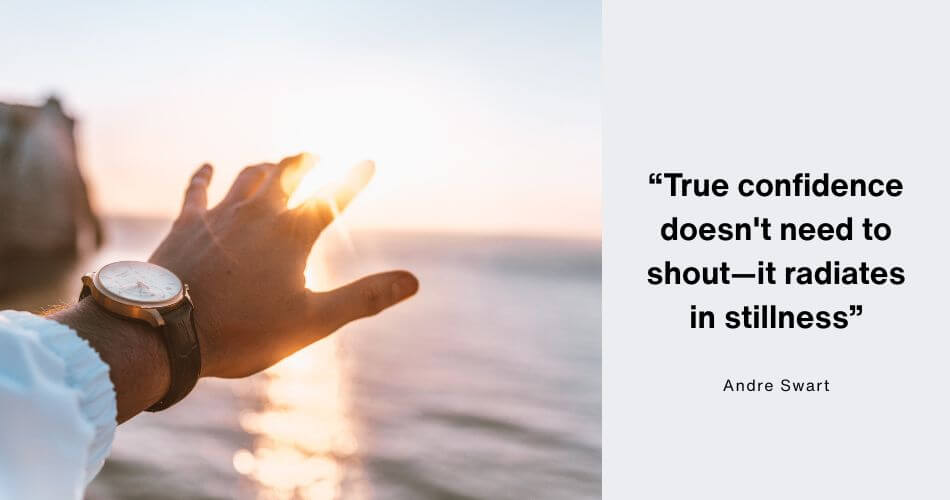
Most people expend significant energy worrying about external factors beyond their influence: others’ opinions, potential future misfortunes, or what someone else “should have” done.
This habit leads to frustration, anxiety, and stagnation. In contrast, truly effective individuals navigate this noise by applying a simple yet powerful filter: “Is this within my control?”. If the answer is no, they release it. If the answer is yes, they take deliberate action.
They avoid getting ensnared in blame or spiraling into worry, instead moving forward with calm, clarity, and consistency. This focused calm is what makes them unstoppable.
This approach echoes the Stoic concept of the “dichotomy of control,” as taught by Epictetus, which asserts that true power lies in fiercely guarding one’s internal judgments and responses (prohairesis) as the only true possession.
By fortifying their inner world, they watch external chaos lose its grip, demonstrating active, internal sovereignty rather than passive acceptance.
4. You Know That Silence Is a Superpower.
Silence makes many people uncomfortable. They rush to fill space with chatter, opinions, or noise. But those who exude quiet confidence are deeply at ease with silence.
They pause to think before responding, prioritizing listening over speaking. They allow others to reveal themselves naturally, without forcing disclosures.
They understand that the person who maintains composure and is least reactive often holds the most influence.
Silence compels attention, creating tension, adding weight and meaning to what is eventually said, and most importantly, maintaining their control.
Therefore, to truly distinguish yourself, it’s not merely about speaking intelligently, but about knowing precisely when to remain silent.
This practice aligns with the Japanese concept of Ma (間), which is the conscious appreciation of empty space, the pause, or the interval, giving shape and meaning to what surrounds it.
Strategic silence is not emptiness; it is a powerful tool that makes others lean in and reveal themselves, embodying a quiet, compelling influence.
5. You Don't React, You Observe.
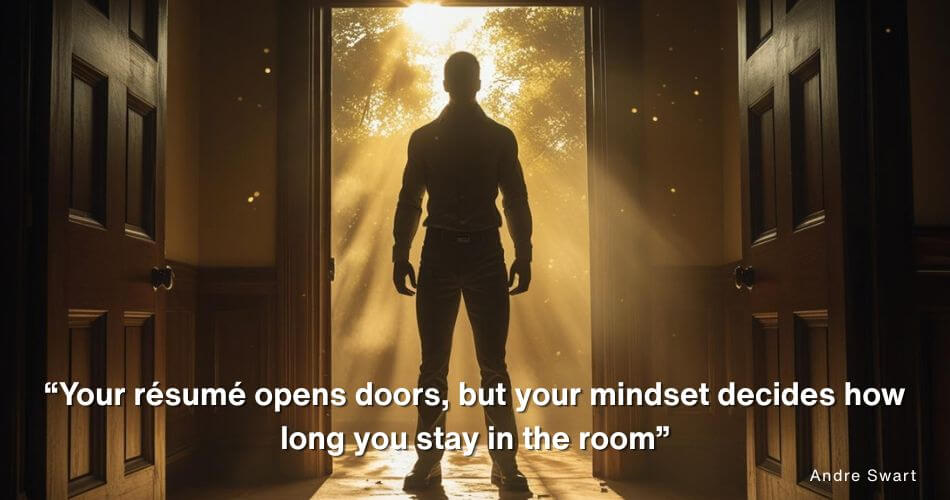
The majority of people operate on autopilot: something annoys them, they snap; something scares them, they run; someone says something dumb, they argue.
Their reactions are immediate and impulsive, lacking thought. In contrast, the most discerning individuals choose to observe.
They pause where others rush, and they think deeply when others blurt out responses. This isn’t a sign of weakness, but rather a demonstration of profound self-control.
They grasp that reacting instantly surrenders power, while pausing allows them to gain it.
This observational stance cultivates insight, which consistently triumphs over mere impulse. This isn’t about suppression—it’s about elevation.
They’ve trained their minds through unseen mental habits of observation.This deliberate space between stimulus and response is a core principle of Vipassanā (insight meditation).
By training oneself to simply observe impulses, emotions, and thoughts without immediate judgment or action, fleeting reactions transform into profound insights.
This “Vipassanā gaze” provides a practical, ancient psychological framework for emotional regulation and improved decision-making.
Conclusion: The Power of Quiet Awareness
Ultimately, the ability to outsmart 90% of people doesn’t come from louder voices or longer résumés. It comes from unseen mental habits—the subtle yet powerful mindset shifts that enable you to navigate life with calm, clarity, and intention.
When you ask to understand, when you think in systems, when you focus only on what you can control, when you use silence strategically, and when you observe instead of react, you move through life with extraordinary effectiveness and quiet confidence.
Most people will keep rushing, reacting, and taking things personally. But you—by building these habits—will begin noticing what others miss. You’ll move with grace, power, and intention.
This isn’t about being smarter in the conventional sense. It’s about being aware. And awareness, in its stillness and strength, is the sharpest form of intelligence there is.
About the Author
Andre Swart, director of Alexander Swart Property Group, is more than a seasoned real estate leader in Brackenfell and Cape Town’s Northern Suburbs—he’s a mentor to agents and a firm believer in the power of mindset. With over 20 years of experience and a faith-driven, client-first approach, Andre champions long-term thinking over quick wins.
Through his blog, Andre Swart Inspires, he shares timeless lessons on quiet confidence, ethical leadership, and mental habits that outlast market trends. Whether you’re navigating the property world or building a career with purpose, Andre’s insights are designed to help you think clearly, lead with conviction, and stay grounded in what truly matters.